Last updated October 10, 2026
On this page
Why basements get mold
Concrete and block are porous. The ground is damp and the air is cool and still. Add wood, drywall, cardboard and dust to feed on, and mold has what it needs. For the whole-house picture, see mold removal in Dunstable.
- Seepage. Snowmelt and heavy rain push water through cracks and floor joints.
- Condensation. Warm, humid summer air hits cool walls and cold pipes. The EPA suggests insulating cold pipes.
- Leaks. A water heater, washer hose or failed sump pump.
- Poor drainage. Clogged gutters, downspouts at the foundation, soil sloping toward the house.
- Storage. Cardboard against walls and a dryer vented indoors.
Signs of basement mold
- A musty smell that gets worse after rain.
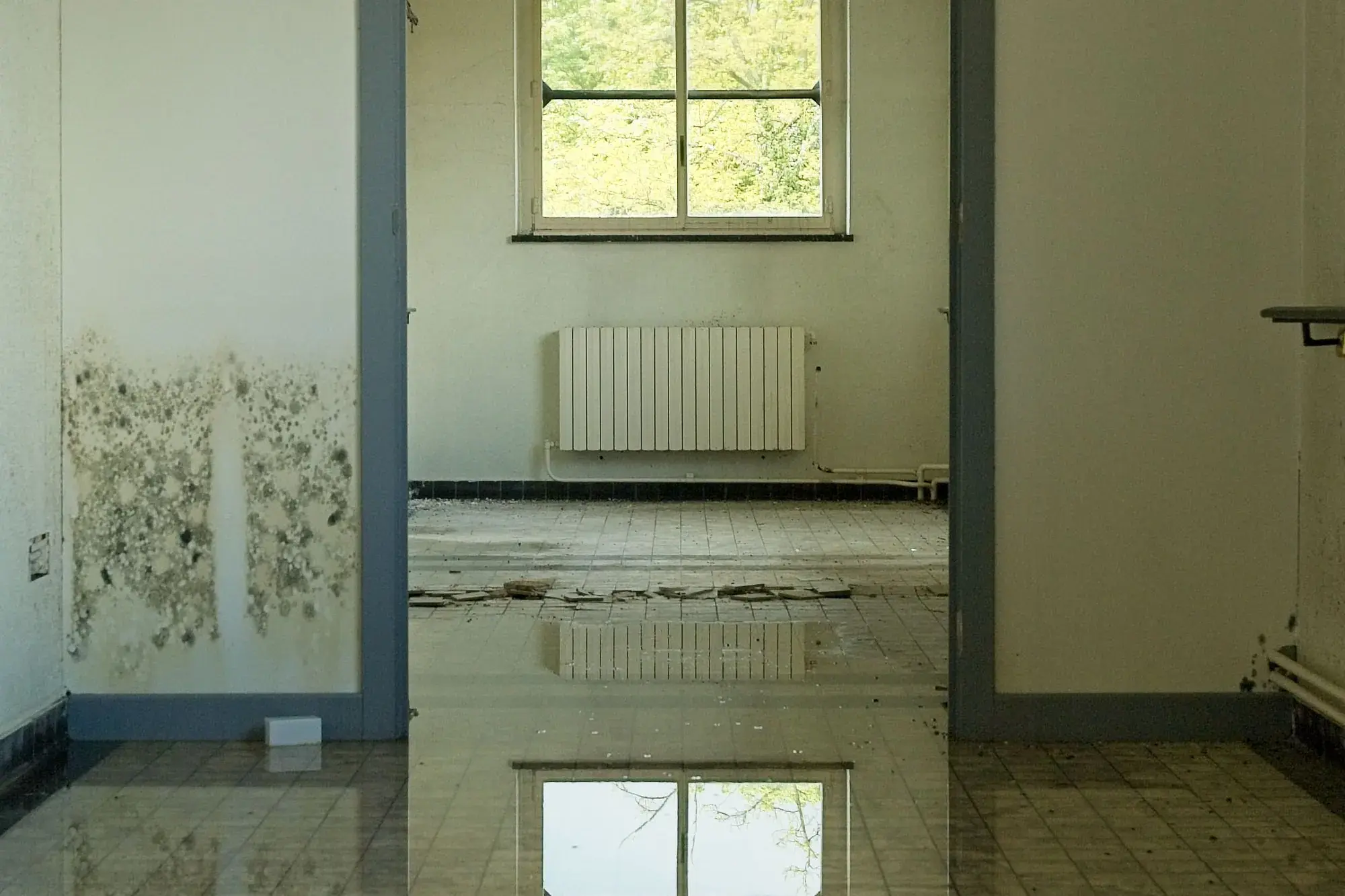
- Fuzzy or speckled spots on walls, joists or boxes.
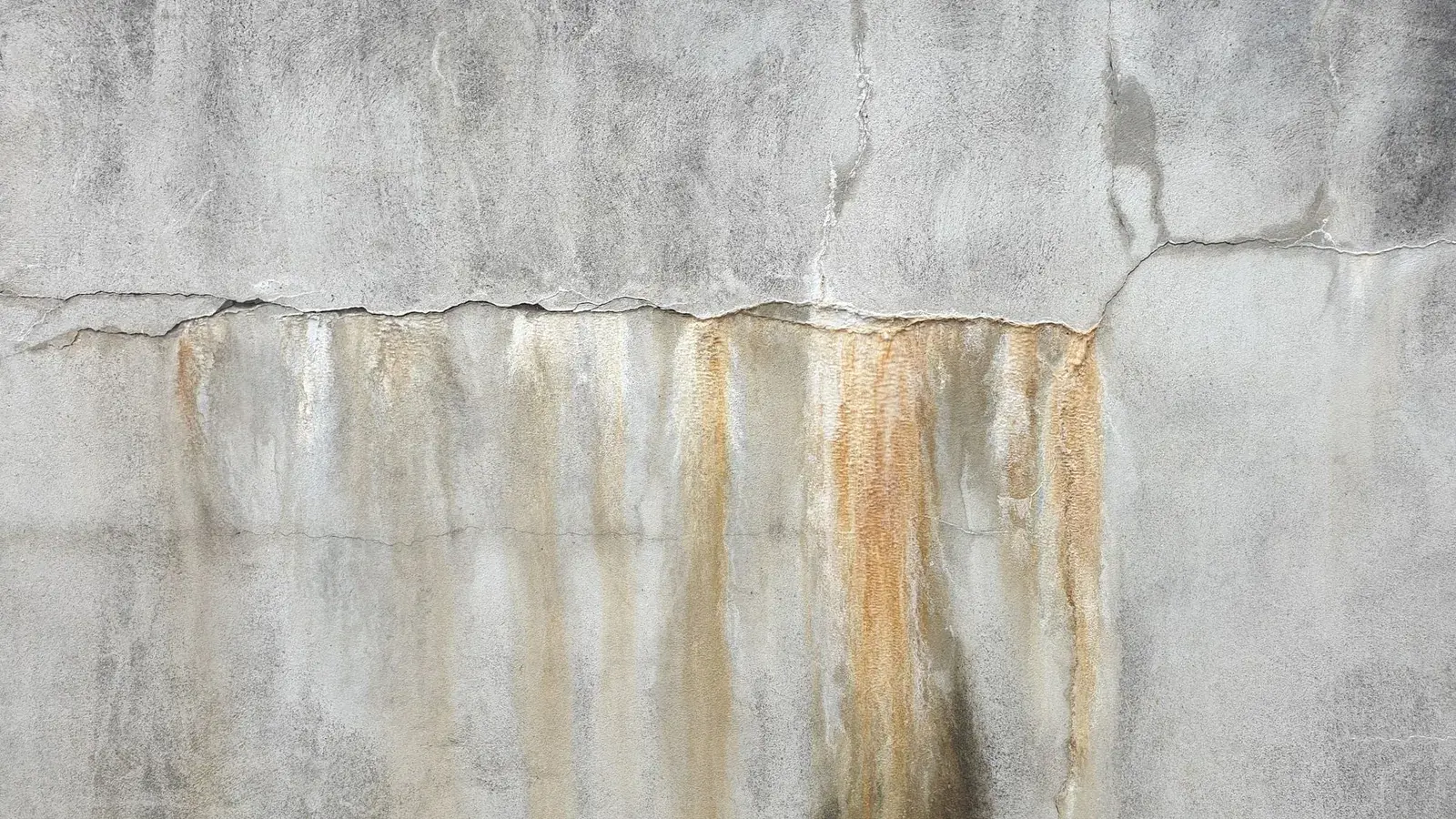
- White powder on concrete. That is efflorescence: a sign of water, not mold.
- Peeling paint or stained drywall at the base of walls.
- Rust on the furnace base or water heater.
- Damp carpet or soft cardboard.
Check before you call
- Humidity. A meter costs $10 to $50. The EPA says keep it below 60 percent, ideally 30 to 50.
- Outside. Look at gutters, downspouts and soil grade.
- Foil test. Tape a foot of foil to a bare wall for 24 to 48 hours. Moisture on the room side is condensation. Moisture behind it is seepage.
- Size. Over about 10 square feet? The EPA says call a pro.
Do not
- Paint over mold.
- Dry-brush a large area.
- Mix bleach with ammonia.
- Ignore a sump pump that never runs after a storm.
How removal works
- Find the moisture. Meters and sometimes thermal imaging show what is wet.
- Contain the area. Plastic sheeting and HEPA air filtration. HVAC registers are sealed.
- Remove what cannot be saved. Carpet, wet drywall and insulation.
- Clean the rest. HEPA-vacuum and wipe. Sand wood if needed.
- Dry the space. Dehumidifiers run until readings are normal.
- Fix the cause. Seal cracks, improve drainage, repair the sump.
- Check the result. Moisture readings and a visual check. Independent testing if you need paperwork. Rebuilding is separate.
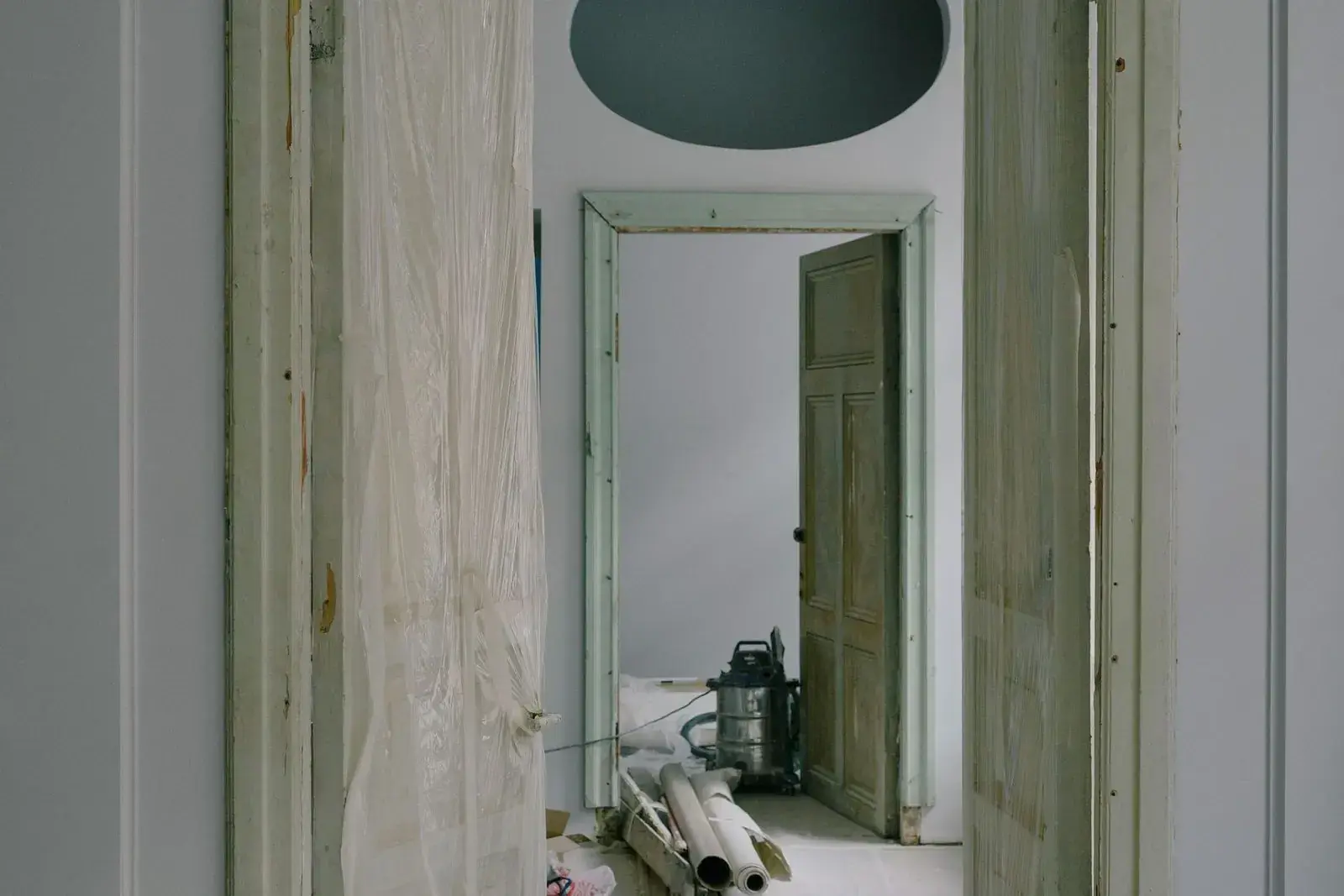
Finished basements and old foundations
Mold hides behind drywall, carpet and insulation. A musty smell with a clean-looking wall can mean it is behind. See finished basement mold removal. If the house is pre-1978, ask about lead-safe work. See the EPA lead rules.
What it costs
Angi's Boston-area figure for basement mold is about $2,500 to $5,000. A small area costs less. See the mold removal cost guide. Not sure you need a test? Read mold testing.
Basement mold or a musty smell?
Call and describe it.
Keep it dry
- Keep humidity below 60 percent. Run a dehumidifier in summer.
- Extend downspouts away from the foundation. Keep gutters clear.
- Store things in plastic bins on shelves, not cardboard on the floor.
- Insulate cold water pipes. Vent the dryer outdoors.
- Check after heavy rain and snowmelt. Test the sump pump a few times a year.
Nearby towns
The same causes apply across the area. See Tyngsborough, Groton, Westford, Lowell and Chelmsford. If a leak or flood started it, read mold removal after water damage.
Frequently asked questions
Is basement mold dangerous?
It can irritate the eyes, nose, throat and lungs, and trigger asthma and allergies (EPA, CDC). It also damages the materials it grows on.
Why does my basement smell musty with no visible mold?
Usually damp materials or hidden growth behind drywall or under carpet. Check humidity and look for stains and soft spots.
Will a dehumidifier remove mold?
No. It stops new growth by lowering humidity. Existing mold still has to be cleaned or removed.
Can I clean it with bleach?
The EPA does not recommend bleach as routine. It does not reach mold under the surface of drywall or carpet. Use detergent and water, dry thoroughly and remove soaked porous material.
Does all the drywall have to come out?
Not always. Moldy drywall is usually removed. How far depends on how far the moisture and growth went. A pro checks with a moisture meter.