Last updated October 10, 2026
On this page
Why crawl spaces get mold
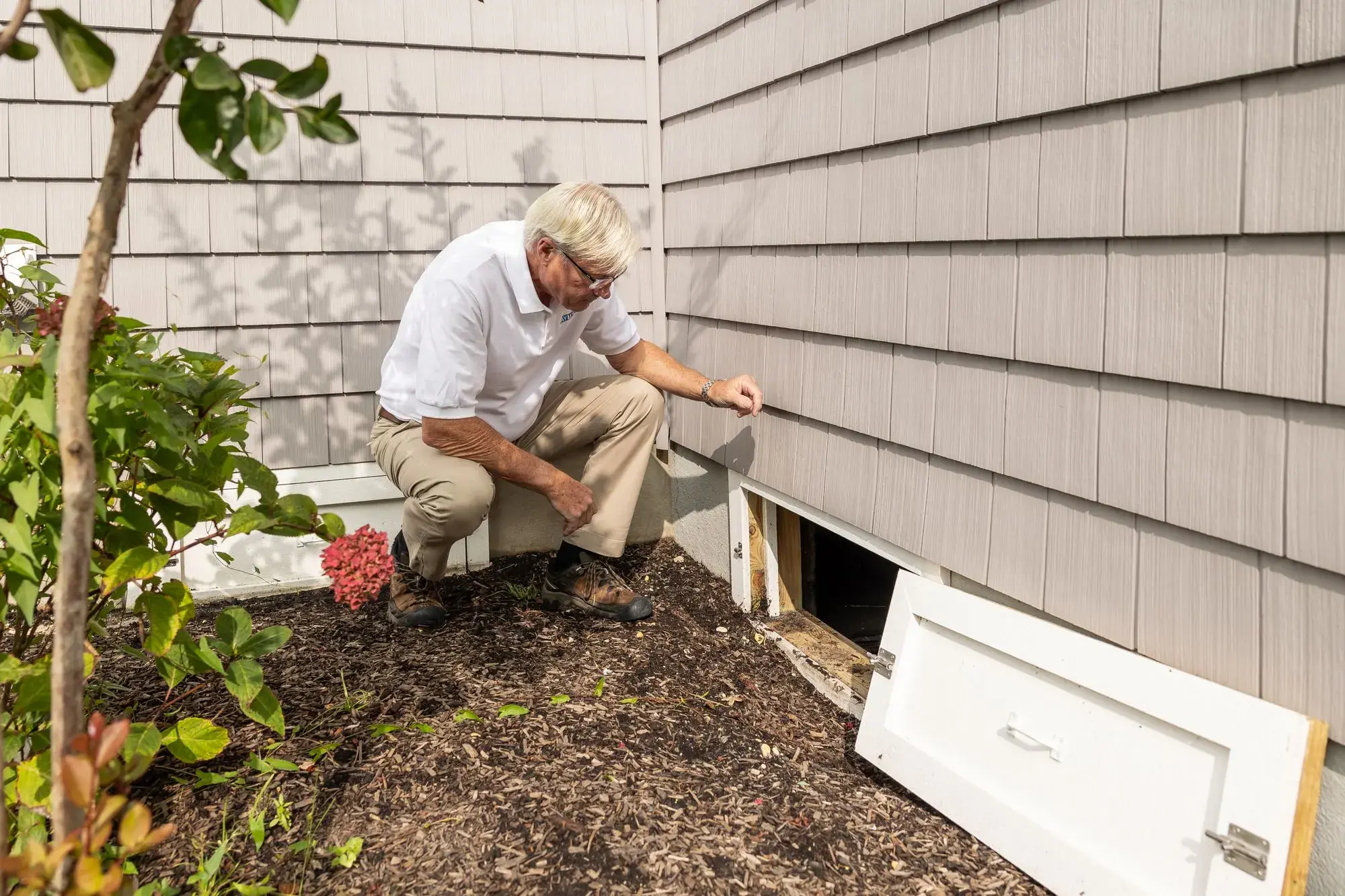
Some homes sit over a crawl space, not a full basement. The soil is damp, the air barely moves and the floor joints are wood. PNNL notes that humidity above about 80 percent for long periods can support mold and rot wood. Air also moves up into the rooms above. For the overview, see mold removal Dunstable MA.
- Bare soil releases moisture all year. A sealed ground cover cuts it off.
- Humid summer air through foundation vents condenses on cool surfaces.
- Water outside. Clogged gutters, downspouts at the wall, soil sloping toward the house.
- Leaks. Plumbing, or condensation dripping from ducts.
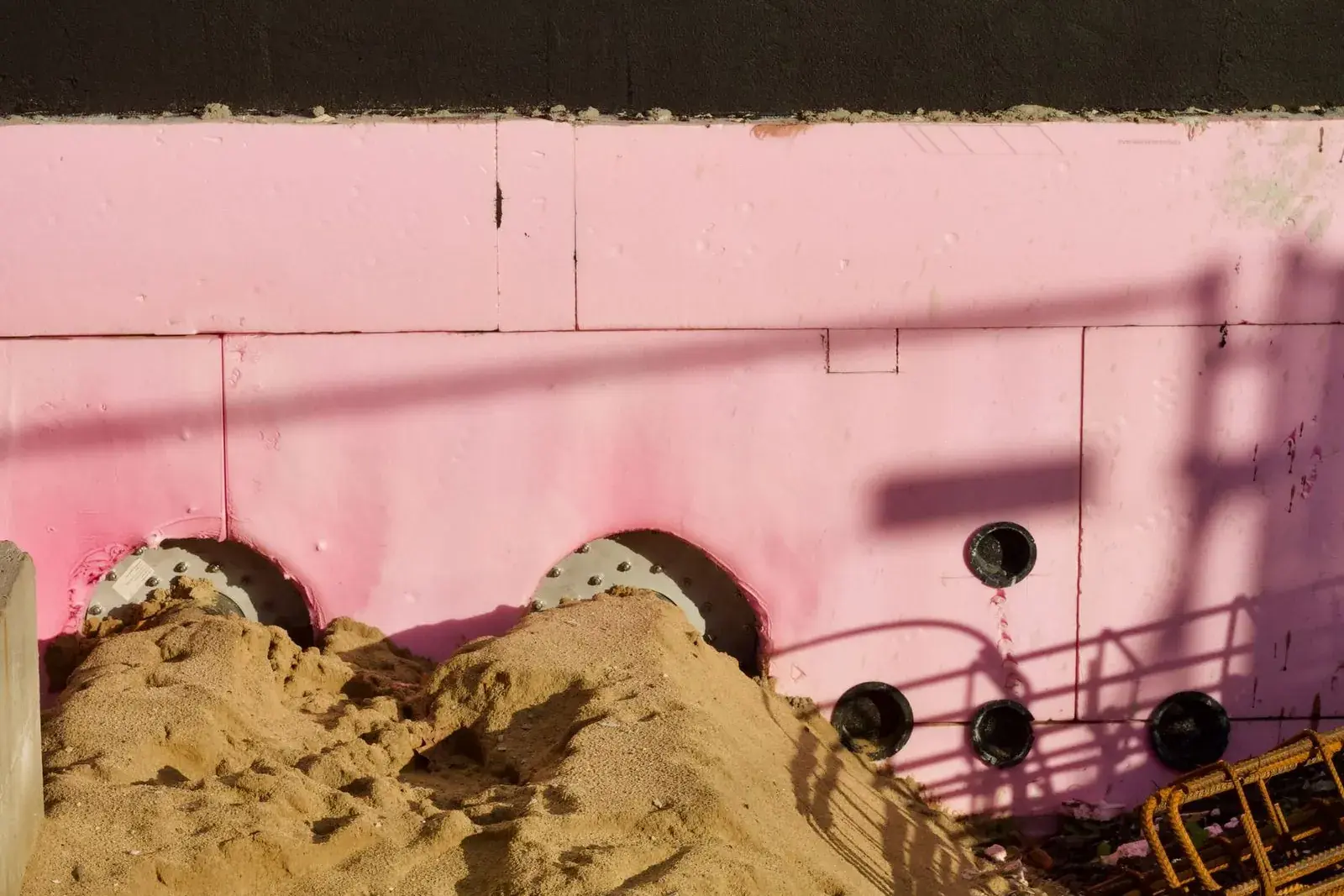
- Wet insulation. Fiberglass between the joists holds moisture against the wood. ENERGY STAR says fiberglass alone is not enough for a closed crawl space.
Signs of crawl space mold
- A musty smell in first-floor rooms or closets.
- Cold, damp floors or cupped floorboards.
- Visible growth on joists or the underside of the floor.
- Sagging, stained insulation.
- Standing water or wet soil after rain.
- Soft, dark wood that gives when pressed.
Crawl space safety
- Do not go in if there is standing water near wiring.
- Wear a respirator, gloves, goggles and coveralls.
- Old pipe or duct wrap may contain asbestos. If it looks old and crumbly, leave it alone.
- Over about 10 square feet of mold? The EPA says call a pro.
Vented, sealed or encapsulated?
Old advice was to vent crawl spaces. Current guidance from the DOE and ENERGY STAR increasingly favors sealing and insulating them: sealed vents, a taped ground liner, insulated walls and a dehumidifier. It works best when water from outside is controlled first. It must also meet the Massachusetts residential code (780 CMR). Ask any pro to explain what suits your space.
| Approach | Works best when | Watch out for |
|---|---|---|
| Ground cover only | Humidity is moderate | Vents still let humid air in |
| Repair and keep vented | The main problem was a leak | Humid summer air |
| Sealed and conditioned | Moisture comes from soil and air | Needs a plan for groundwater |
| Drainage first, then sealing | Water enters after rain | Sealing without drainage traps water |
How removal works
- Inspect. Soil, joists, insulation, plumbing, humidity.
- Contain. Seal the access. HEPA air filtration.
- Remove wet insulation, torn liner and rotten wood.
- Clean joists and subfloor. HEPA-vacuum, brush, sand or media-blast.
- Repair wood and plumbing.
- Control moisture. Drainage, ground cover, insulation, dehumidifier.
- Check the result. Moisture readings and a visual check.
What it costs
Angi's Boston-area figure for crawl space mold is about $500 to $2,000. It rises with insulation, wood repair or encapsulation. See the mold removal cost guide.
Musty smell from the floor?
Call and describe it.
Keep it dry
- Cover bare soil with sealed polyethylene.
- Extend downspouts. Slope soil away from the house.
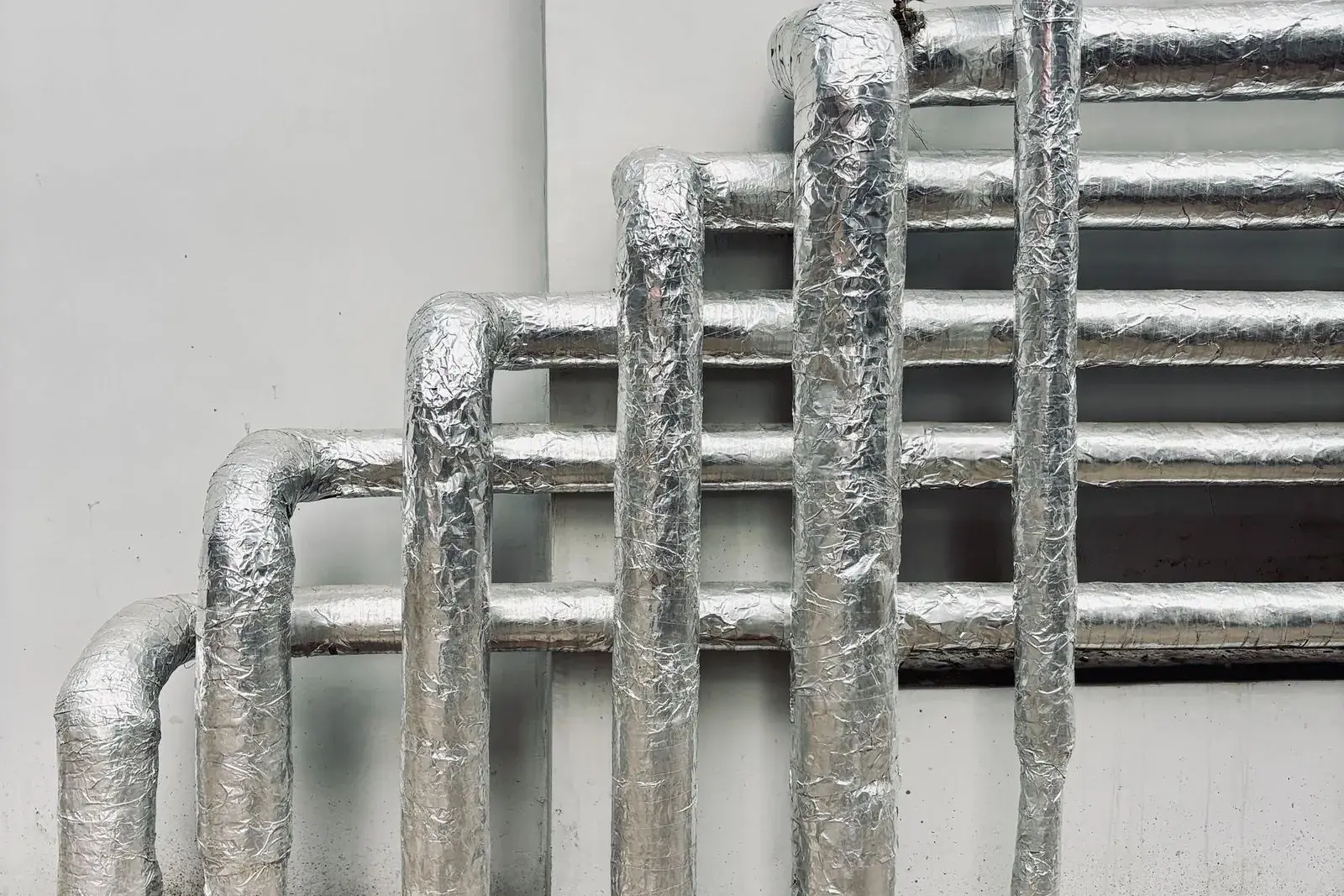
- Fix plumbing and duct leaks. Insulate cold pipes.
- Do not store cardboard or firewood under the house.
Nearby towns
Some homes in Groton, Tyngsborough, Westford, Lowell and Chelmsford sit over crawl spaces. Not sure whether the smell comes from here or the basement? See basement mold removal.
Frequently asked questions
Is crawl space mold dangerous?
Air moves up into the rooms above. Mold can irritate the eyes, nose, throat and lungs and trigger asthma (EPA). It also damages the wood that holds up the floor.
Should the vents be open or closed?
It depends on your home, drainage and code. Current DOE and ENERGY STAR guidance favors sealing and insulating. Ask the pro to explain why.
Is a dehumidifier enough?
Not in a vented crawl space with bare soil. It works well in one that has been sealed and covered.
Do I need to encapsulate?
Not always. If water enters as liquid after rain, fix drainage first.
Can I lay a vapor barrier myself?
Often, if there is no standing water or mold. Use heavy polyethylene with taped seams and wear protection. Mold over about 10 sq ft needs a pro.