Last updated October 10, 2026
On this page
The 24 to 48 hour rule
The EPA says dry water-damaged areas within 24 to 48 hours. If you do, mold usually will not grow. Massachusetts DPH says wet areas should be fully dry in 24 hours, and the Housing Code requires leak and flood areas to dry within 48. If that window has passed, skip to the section on what to do after 48 hours. For the overview, see mold removal near Dunstable.
What to do now
- Stay safe. Keep away from water near outlets or the panel. Treat sewage or flood water as contaminated.
- Stop the source. Shut off the water or fixture.
- Remove standing water. Wet/dry vac, mop or pump.
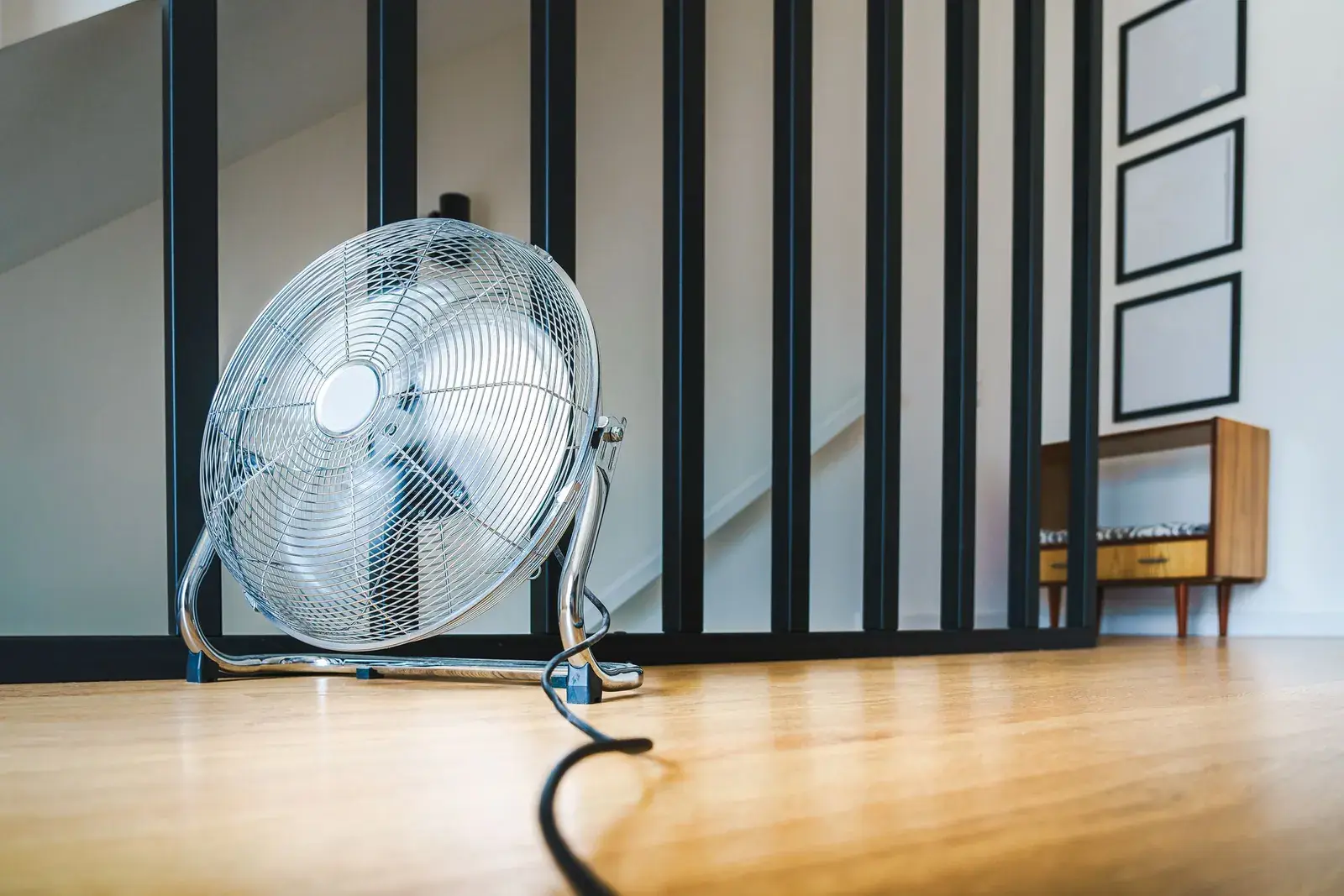
- Start drying. Fans, dehumidifiers, open windows when it is drier outside. Lift wet carpet and padding.
- Take photos before you throw anything away. Call your insurer.
- Check hidden spots. Wall cavities, under floors, ceilings below.
What can be saved
| Material | Saved? | Notes |
|---|---|---|
| Tile, concrete, metal, glass | Yes | Clean and dry. |
| Solid wood and framing | Usually | Dry quickly. |
| Drywall | Depends | Soaked drywall is usually removed. |
| Carpet | Sometimes | Padding is usually thrown out. |
| Fiberglass insulation | Depends | Wet batts hold moisture. Often replaced. |
| Upholstery, mattresses | Rarely | Hard to dry through. |
| Ceiling tiles | Rarely | Open and dry the space above. |
After 48 hours
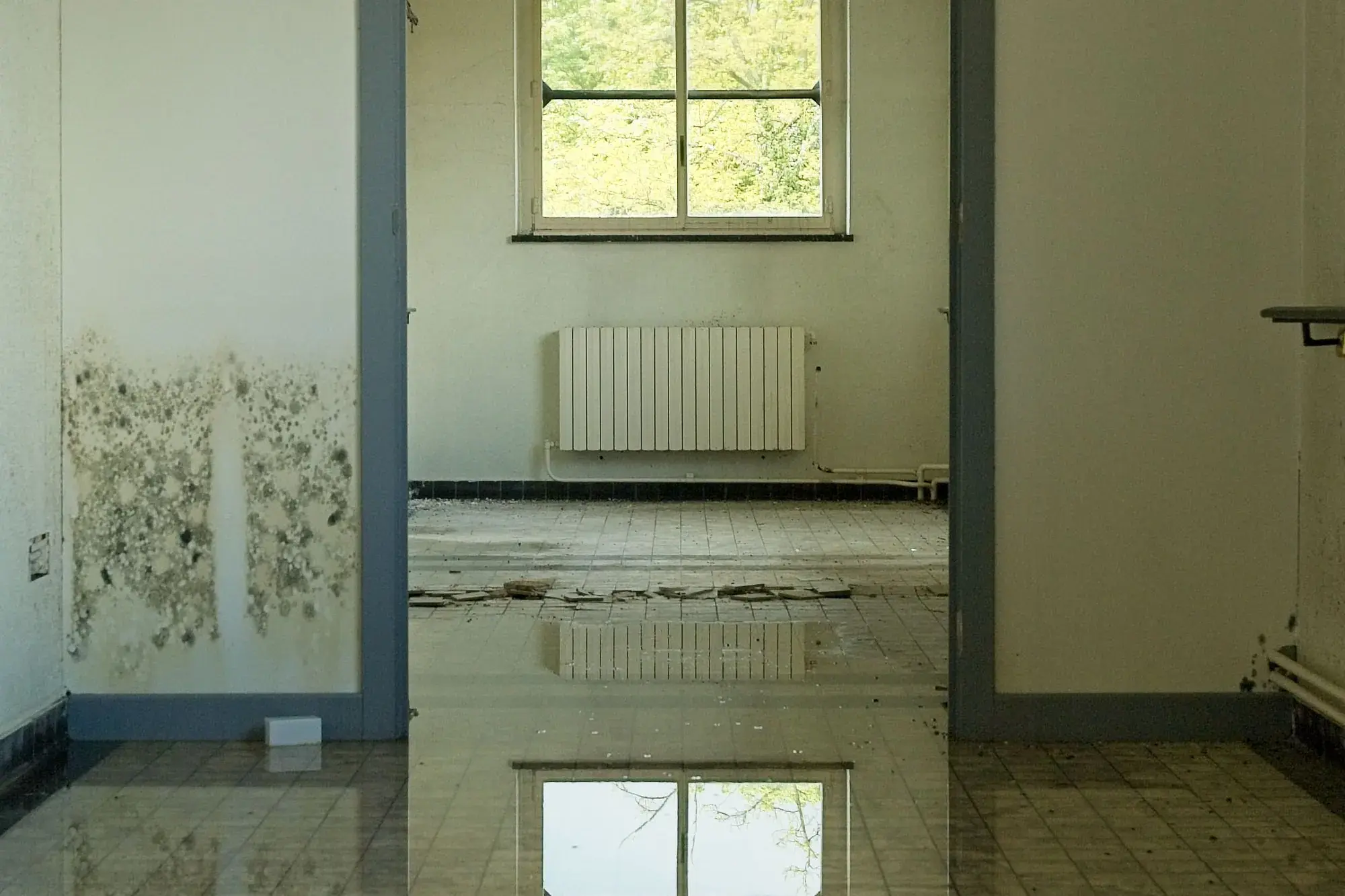
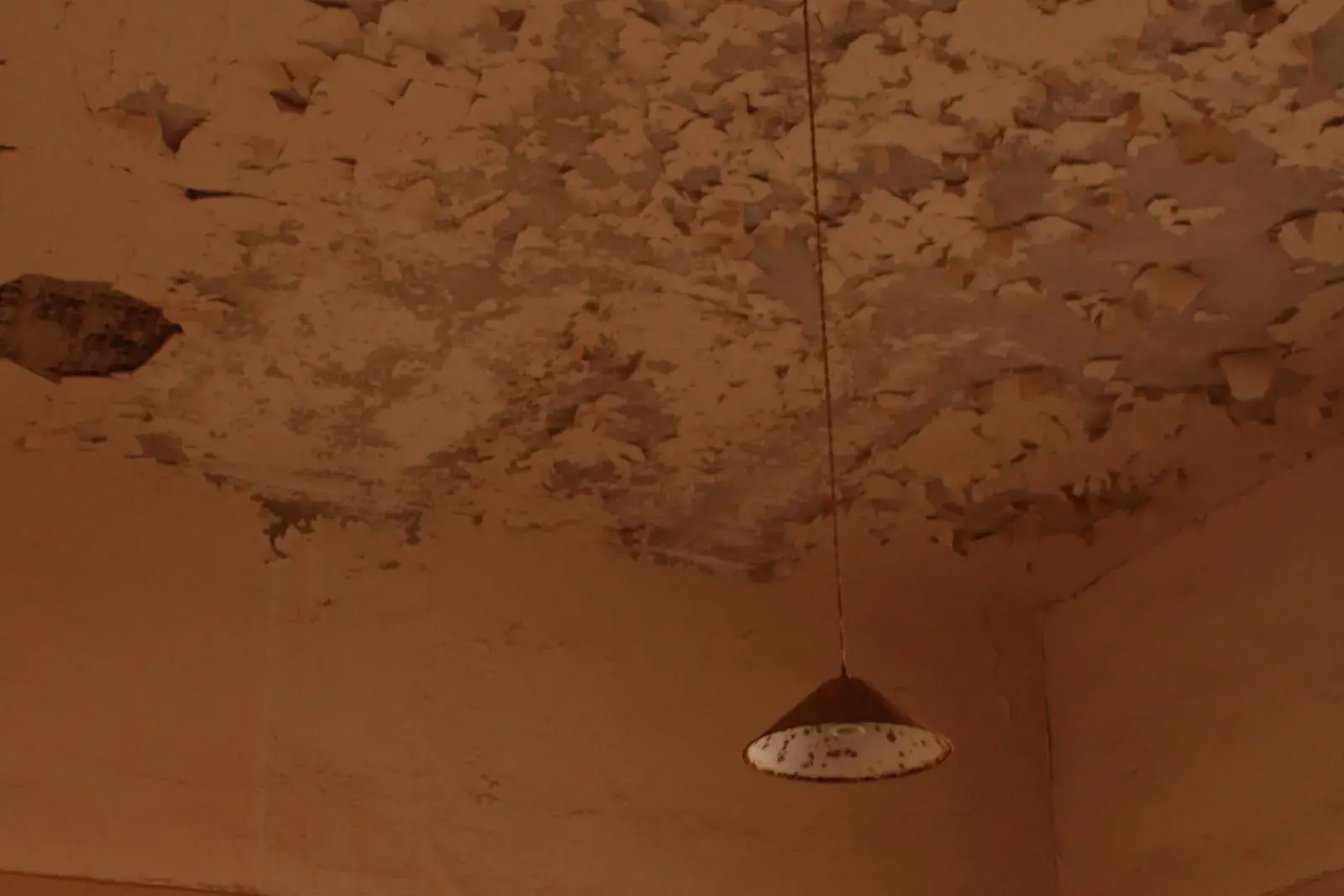
Do not keep trying to dry soaked material in place. Signs mold has started:
- A musty smell from a room, wall or floor.
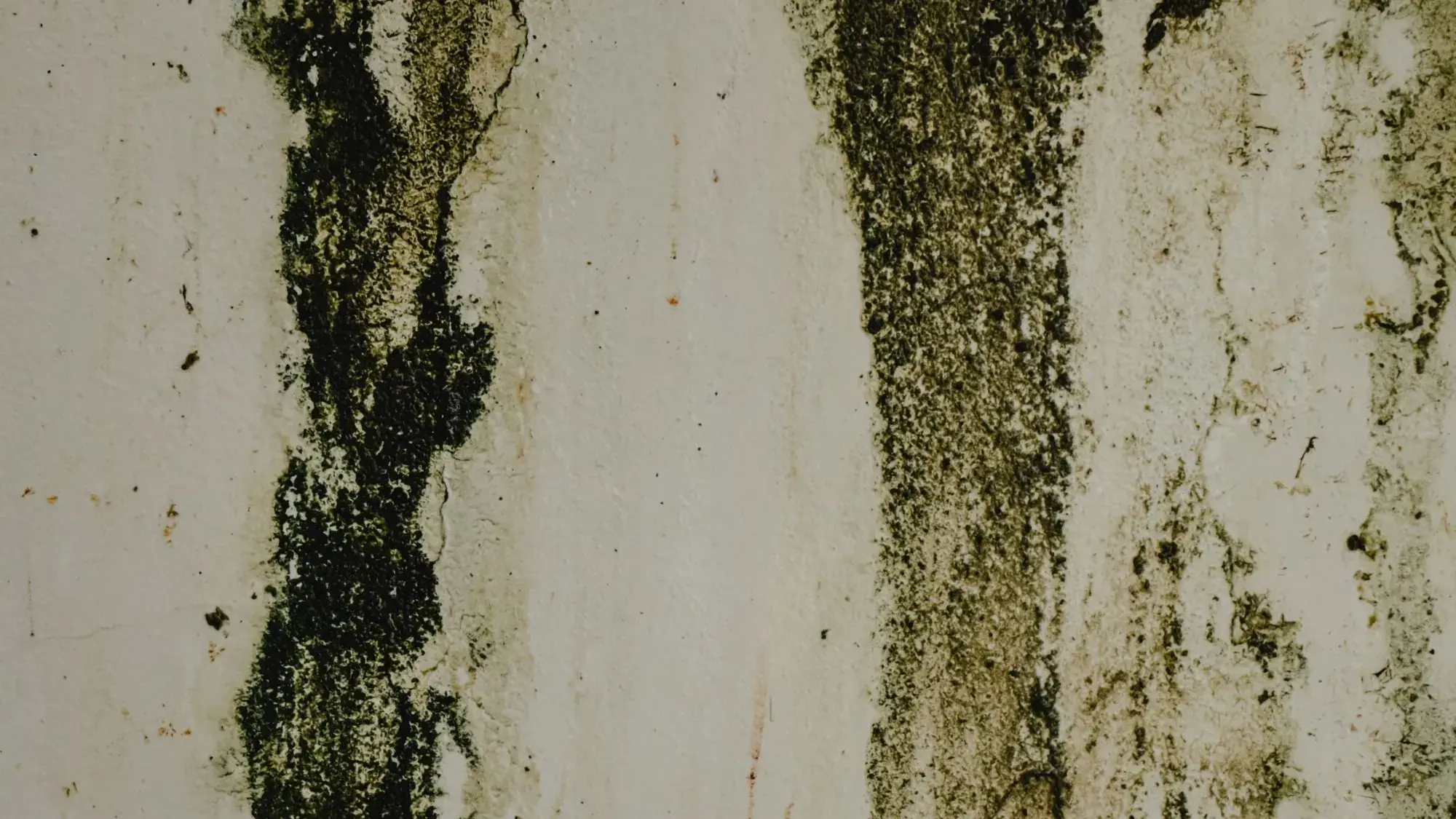
- Spots or fuzz on drywall, baseboards or carpet backing.
- Bubbling paint, soft drywall, lifting wallpaper.
- Warped floors or swollen baseboards.
- Stains that return after cleaning.
A pro can use moisture meters and thermal imaging to find wet material you cannot see. Over about 10 sq ft of mold? The EPA says call a pro. If dark growth has taken hold, read black mold removal.
Insurance and renting
Many policies cover sudden events like a burst pipe, and exclude slow leaks (see does insurance cover mold). Call early, take photos, keep receipts. If you rent, the Housing Code applies. Raise it with your landlord in writing, then the Dunstable Board of Health or your town's.
Water damage, and now mold?
Call and describe what happened.
What it costs
The sooner materials dry, the less has to be replaced. See the mold removal cost guide.
Common causes here
- Frozen pipes in cold snaps. See crawl space mold removal.
- Ice dams and roof leaks. See attic mold removal.
- Basement flooding from snowmelt or a failed sump. See basement mold removal.
- Appliance failures and slow plumbing leaks.
Nearby towns
The same timeline applies in Tyngsborough, Groton, Westford, Lowell and Chelmsford. See also mold testing.
Frequently asked questions
How fast does mold grow after water damage?
The EPA says if wet materials dry within 24 to 48 hours, mold usually will not grow. After that, the risk rises the longer they stay wet.
Can wet drywall be saved?
Sometimes, if the water was clean and it dried fast. Soaked drywall is usually removed. A moisture meter can tell.
Can I dry a room myself?
A small, clean-water spill, yes. For larger areas, contaminated water or wet walls, a pro's equipment is worth it.
Does insurance cover mold after a burst pipe?
Often, sometimes with a limit. Read your policy and ask your agent. Take photos and keep receipts.
How do I know if mold is behind a wall?
A musty smell, stains that return, bubbling paint or soft drywall. A moisture meter can show it without cutting the wall.