Last updated October 10, 2026
On this page
Mold in Lowell
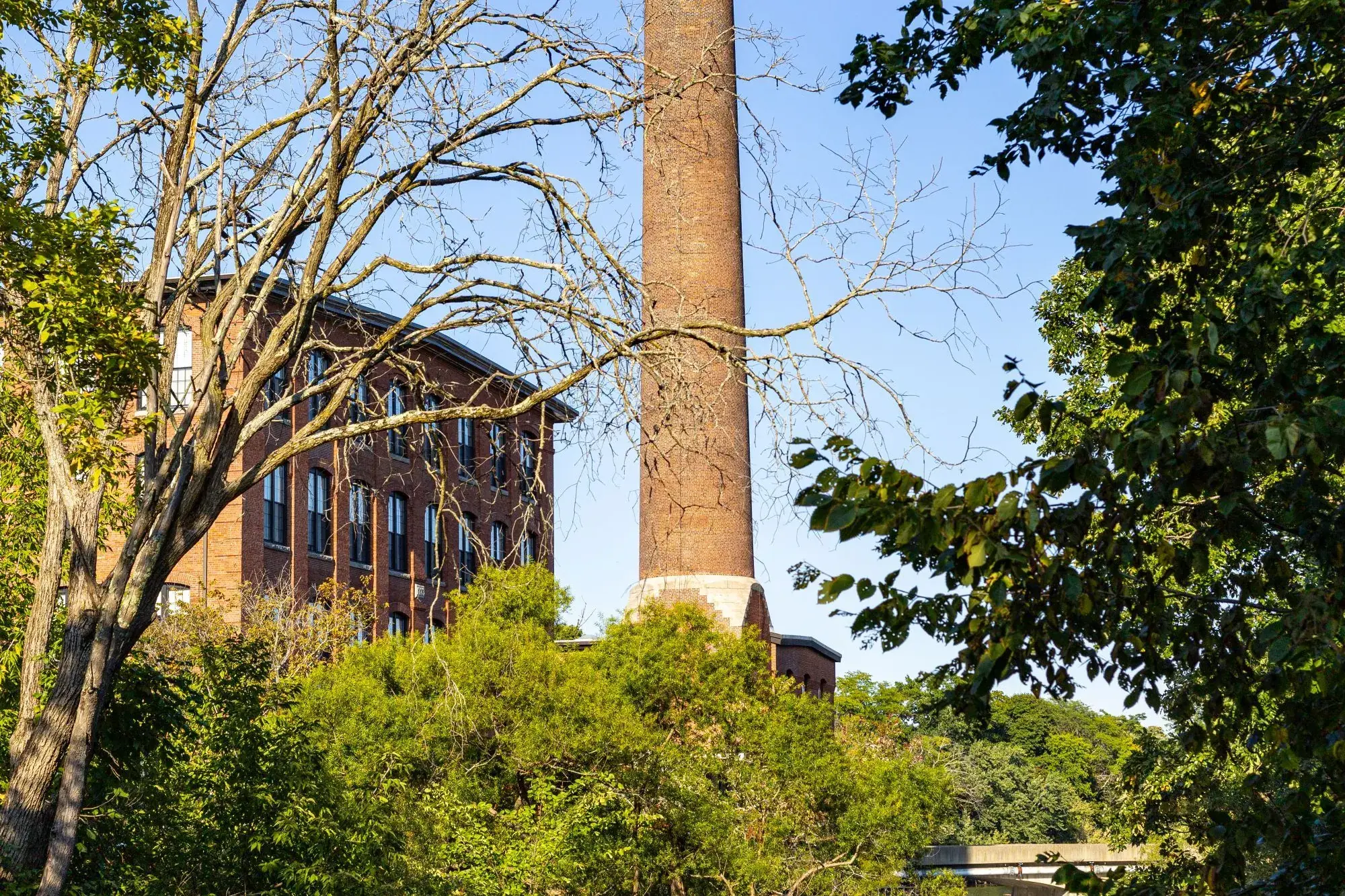
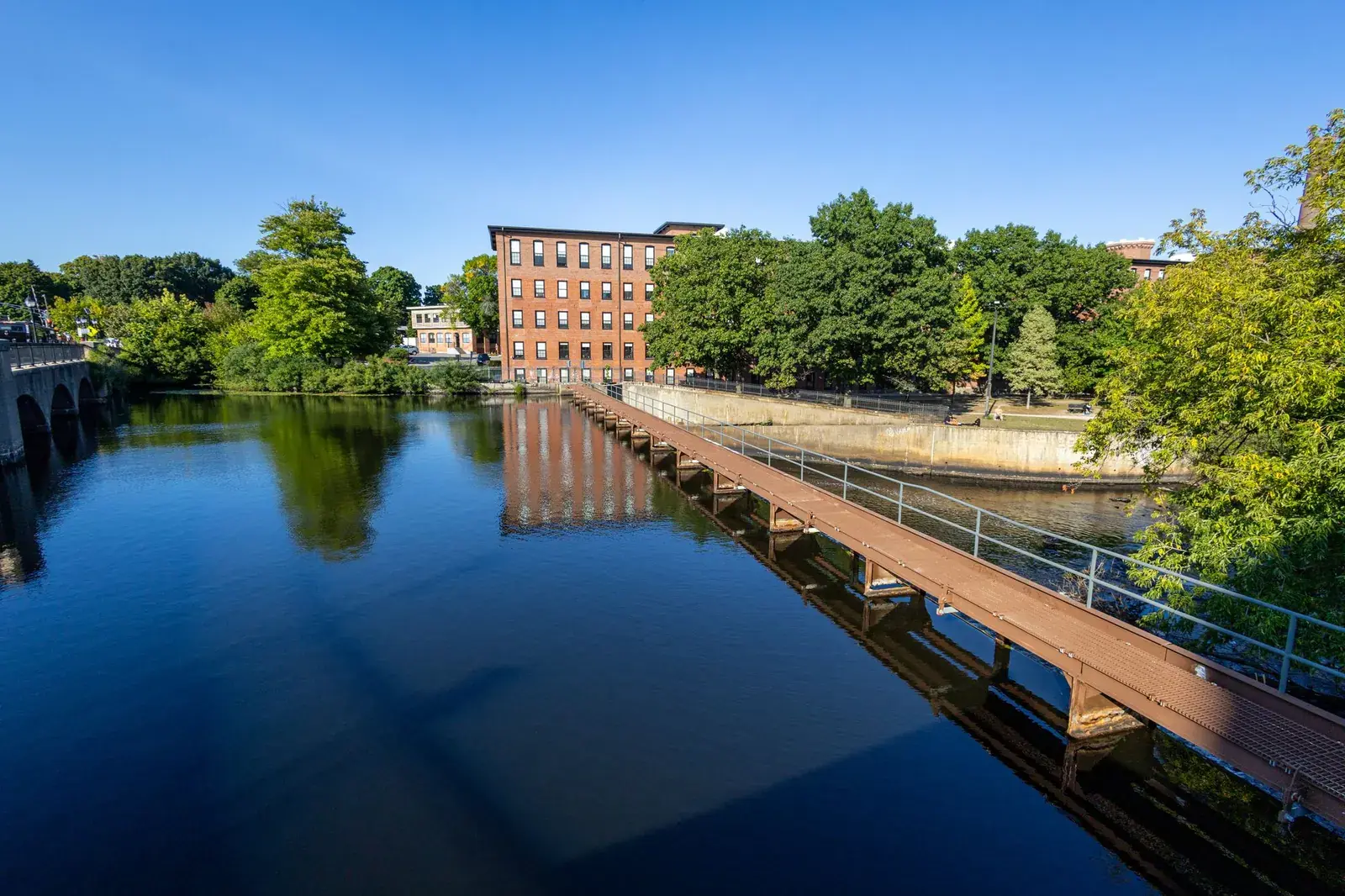
Lowell had 115,554 residents in 2020 on about 14.5 square miles, roughly 8,500 per square mile. The Merrimack and Concord rivers meet here, and canals run through downtown. It became a city in 1836, and some old mills are now apartments. For the overview, see mold removal in Dunstable and nearby towns.
What affects buildings here
- Shared structure. In two- and three-family houses, a leak in one unit can wet the one below.
- Old foundations. Brick and stone admit water. Cellars are often damp.
- Water nearby. Rivers and canals shape the water table.
- Old plumbing and roofs. Slow leaks are common.
Renting in Lowell
The state Housing Code (105 CMR 410) applies to rentals. If mold is visible it must be cleaned up and the cause repaired. Areas wet from leaks must dry within 48 hours (DPH). Local boards of health enforce it.
- Write to your landlord. Say what and when. Keep a copy.
- Take dated photos.
- If nothing is fixed, ask the board of health for an inspection.
- Do not scrub a large area yourself.
Common problems
- Damp cellars: basement mold removal.
- Top-floor ceilings and attics: attic mold removal.
- Leaks between units: mold removal after water damage.
- Dark growth that returns: black mold removal.
What to do next
Owners: describe the problem, ask for references and a written scope, and fix the moisture source. Check registration on Mass.gov. Massachusetts has no mold license. See the mold removal cost guide.
Mold in your Lowell home?
Say whether you own or rent.
Nearby
Lowell borders Tyngsborough and Chelmsford. Westford grew as a suburb for Lowell's factory workers. See also mold testing.
Frequently asked questions
Who is responsible for mold in a Lowell rental?
The Housing Code applies. If mold is visible it must be cleaned up and the cause repaired. Write to your landlord, keep photos, and ask the board of health to inspect if nothing happens.
Why does mold keep coming back in my apartment?
The moisture source is still there: a leak from above, a damp wall, a bathroom with a weak fan or condensation.
Is mold common in converted mills?
Any building can have it if there is moisture. Large masonry walls and systems built for other uses make ventilation worth checking.
Do I need a test?
Usually not if the mold is visible (EPA, CDC, DPH). It can help for hidden mold or documentation after cleanup.